
As my gentlereaders know by now, I love rocks, and like most "rock hounds" my fascination started early.
I hardly ever had empty pockets when I came home from a walk, instead I had sandstone, shale even fossils, to add to my heap of stone, quartzite, quartz, feldspar and granite pebbles, could be found in the gravel piles, left behind by homeowners, working on landscaping and other home improvement projects. and the smooth white to pink quarts pebbles, that were tumbled smooth by running water, these gems were known a "lucky Stones"
Children seem naturally drawn to rocks, they are plentiful, most often free, and fun to trade. There is something about some rocks , usually but not always,rocks that been polished to a smoother finish by water and or wind. these humble stones are calming to hold.
This ramble begins with an image of a stone, exactly as I found it, OK I did wash it, but otherwise the same. At first i thought it was someones "pocket rock", and that they had embellished it. I was far off the beaten path and the color didn't come off when I scratched it with my fingernail, so I scraped it with my trusty girl scout knife, and nothing, the color stayed on. What a treasure!!!!

the following is some information about "Old Rock Day"...don't know who wrote this but it wasn't me.
January 7 is Old Rock Day. The unofficial holiday encourages people to acknowledge, celebrate, and learn more about old rocks and fossils.
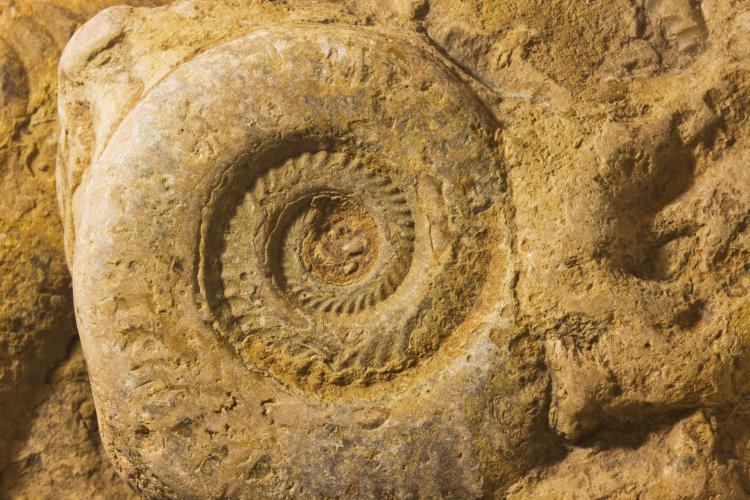
Old rocks can contain fossils.
©iStockphoto.com/Matauw
A rock is a solid mass made of minerals or mineral-like substances. Used for a variety of purposes throughout the history of humankind - as tools, musical instruments, weapons and for mining - rocks form the outermost layer of Earth.
A Peek Into Earth's History
While natural processes - volcanic eruptions and erosion - continually help create rocks on Earth, old rocks are especially important to those who study the Earth and its history. Old rocks hold many answers to the mysteries of Earth's formation - they can tell scientists about natural events that played a role in the formation of the rocks and the effects that event had on other life forms in the area.
Old rocks can also sometimes hold fossils - the preserved remains of animals, plants and other organisms. These fossils can help scientists find out the kind of flora and fauna that existed in the past and what may have caused them to evolve or go extinct.
Finding the Age of Old Rocks
Geologists date old rocks using a technique called radiometric dating or radioactive dating. The process involves looking at the decay of radioactive elements available in rocks. The oldest rock of terrestrial origin to be dated using this method is a zircon found in the Jack Hills of Australia. Scientists estimate that the rock could be as old as 4.4 billion years.
How to Celebrate?
- Learn more about the types of old rocks.
- Pick up a book about fossils and learn how fossils tell us more about the Earth’s past or visit your local natural history museum.
- Take a walk in the park and collect interestingly shaped rocks.
- Buy your loved ones some pretty looking rocks. And by rocks, we mean jewels. After all, diamonds are old rocks.
- Looking for a new hobby? May we suggest collecting rocks?
- Find rocks boring? Listen instead to music from old rock bands.
Did You Know…
...that Petrology is the scientific study of rocks?
"Diamonds are old rocks", makes me smile, because did you know that diamonds can be found in Lava rocks! Really and truly you can find gemstones in the rough, if you are in the right area.

