So I just had to share!!!
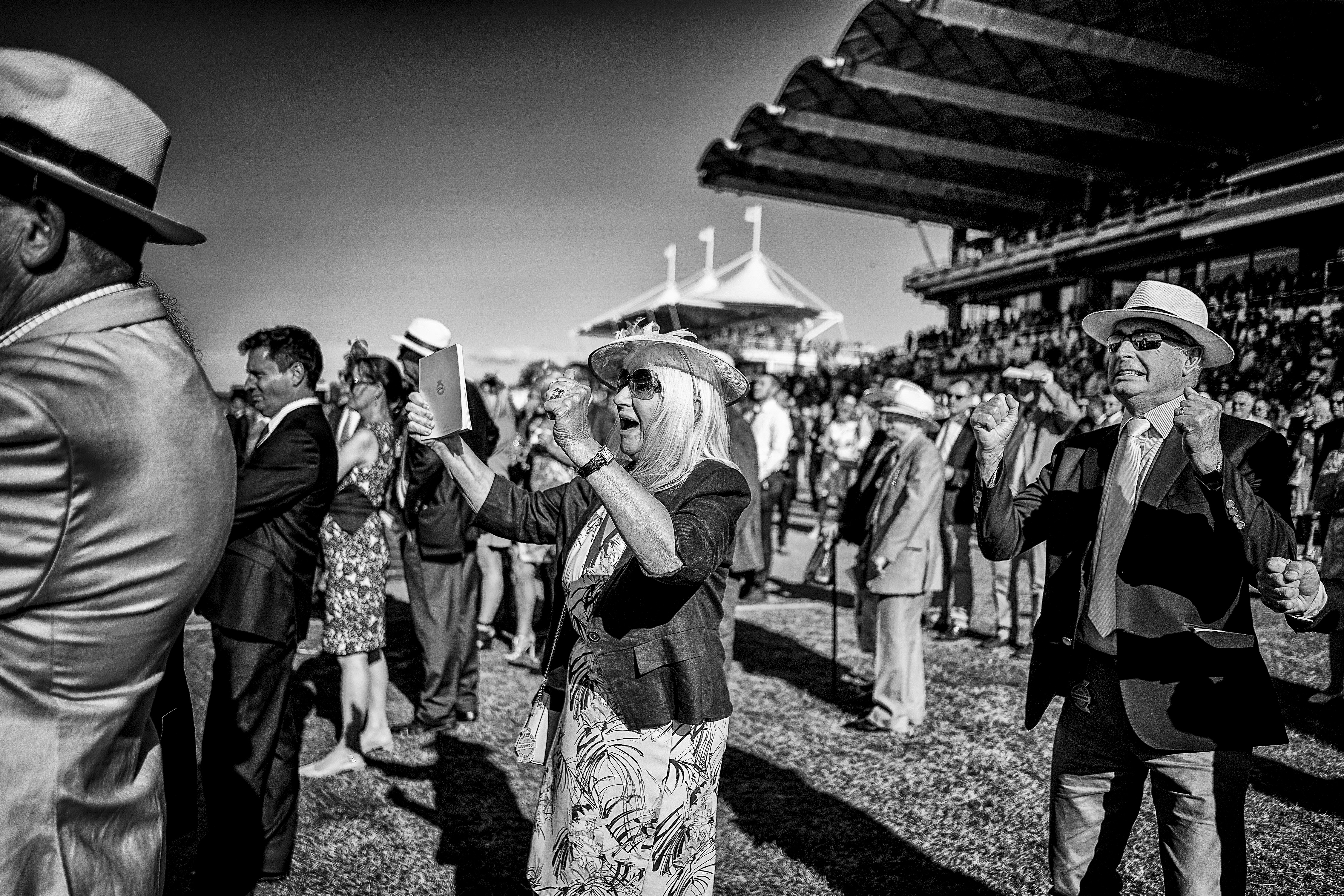
Photo by Alan Crowhurst/Getty Images.
Given that it runs to more than a quarter of a million
words, there’s a good chance that the English language will probably
have the word you’re looking for. But when it comes to describing
hard-to-describe feelings and emotions, much is made of the English
language’s shortcomings: We either have to turn to foreign languages to describe situations like coming up with a perfect comeback when the moment has passed (esprit de l’escalier—thank you French), or else use resources like the brilliant, but sadly entirely fictitious, Dictionary of Obscure Sorrows or Meaning of Liff.
But so vast is the English language that
words for feelings and emotions, and to describe the human condition,
have actually found their way into the dictionary. So there’s no need to
call that comeback esprit de l’escalier, because the word afterwit
has been in use in English since the late 16th century. And here are 15
more obscure English words to describe feelings that are otherwise
indescribable.
1. Croochie-Proochles
The superb Scots dialect word croochie-proochles means the feeling of discomfort or fidgetiness that comes from sitting in a cramped position (like, say, on an airplane).
2. Nikhedonia
You’re playing a game, and you suddenly
realize that you’ve got it in the bag. Or you’re watching your favorite
team play and, after a close-fought match, you see that they’re surely
going to win. That’s nikhedonia—the feeling of excitement or elation that comes from anticipating success.
3. Alysm
Alysm is the feeling
of restlessness or frustrated boredom that comes from being unwell.
When you’re desperate to get on with your day but you’re so under the
weather that you can’t bring yourself to get out of bed? That’s alysm.
4. Shivviness
A shive is a tiny splinter or fragment of something, or else a loose thread sticking out of a piece of fabric. And derived from that, shivviness is an old Yorkshire
dialect word for the feeling of discomfort that comes from wearing new
underwear—a word that surely needs to be more widely known.
5. Déjà-visité
Yes, strictly speaking this isn’t an English word, but like the more familiar déjà-vu before it, we have nevertheless had the foresight to borrow déjà-visité
from French and add it to our dictionaries—it’s just not used as often
as its more familiar cousin. It describes the peculiar sensation of knowing your way around somewhere you’ve never been before.
6. Presque-Vu
One more term we’ve borrowed from French is presque-vu.
It literally means “almost seen,” and refers to that sensation of
forgetting or not being able to remember something, but feeling that you
could remember it any minute.
7. Gwenders
That tingling feeling you get in your fingers when they’re cold? That’s gwenders.
8. Misslieness
The Scots dialect word misslieness means “the feeling of solitariness that comes from missing something or someone you love.”
9. Euneirophrenia and 10. Malneirophrenia
Oneiros was the Greek word for a dream, and derived from that the English language has adopted a handful of obscure terms like oneirocriticism (the interpretation of dreams), oneirodynia (a night’s sleep disturbed by nightmares), and this pair. Euneirophrenia is the feeling of contentment that comes from waking up from a pleasant dream, while malneirophrenia is the feeling of unease or unhappiness that comes from waking up from a nightmare.
11. Lonesome-Fret
That feeling of restlessness or unease that comes from being on your own too long is lonesome-fret, an 18th/19th century dialect word defined as “ennui from lonesomeness” by the English Dialect Dictionary.
12. Fat-Sorrow
“Sorrow alleviated by riches”—or, put another way, sadness alleviated by material things—is fat-sorrow. It’s a term best remembered from the old adage that “fat sorrow is better than lean sorrow.”
13. Horror Vacui
The dislike some people have of leaving an
empty space anywhere—like on a wall or in furnishing a room—is called horror vacui,
a Latin term originally adopted into English in the mid-19th century to
refer to the tendency of some artists to fill every square inch of
their paintings or artworks with detail.
14. Crapulence
When the word hangover just won’t do it justice, there’s crapulence. As the OED defines it, crapulence is a feeling of “sickness or indisposition resulting from excess in drinking or eating.”
15. Huckmuck
According to the English Dialect Dictionary,
the confusion that comes from things not being in their right
place—like when you’ve moved everything around while you’re cleaning
your house—is called huckmuck.
=================================
I think number 14 and 15 will be particularly useful.

